Jasscientia.com
  • Home
  • Air Shows
    • A-10 Thunderbolt
    • C-17 Globemaster
    • E-2 Hawkeye
    • F-14 Tomcat
    • F-15 Eagle
    • F-16 Viper
    • F-16 Viper & P-51 Mustang
    • F/A-18 Super Hornet
    • F-20 Tigershark
    • F-22 Raptor
    • F-22 Raptor & P-51 Mustang
    • F-35B Lightning
    • F-111B Aardvark
    • F-117 Nighthawk
    • KC-135 Stratotanker
    • MV-22 Osprey
    • SR-71 Blackbird
    • U-2 Dragonlady
    • U.S. Air Force Thunderbirds
    • U.S. Navy Blue Angels
  • Car-Truck-Tractor Shows
  • Planet Earth
    • Caduceus
    • Flowers
    • Geology
    • Infrared
    • Iridescent Clouds
    • Landscapes
    • Panoramas
    • Small Creatures
    • Unusual Sights
  • Space and Rockets
    • 2025 Sky Event Calendar
    • Buzz Aldrin
    • Halley's Comet
    • Jupiter & Saturn Conjunction
    • Lunar Eclipses
    • Mercury Sun Transit
    • Our Moon
    • Solar Eclipses
    • Space Shuttle
    • Starlink Launches
    • Venus
    • Venus Sun Transit
    • Victus Nox Launch
  • Bio & Email
Picture
Picture
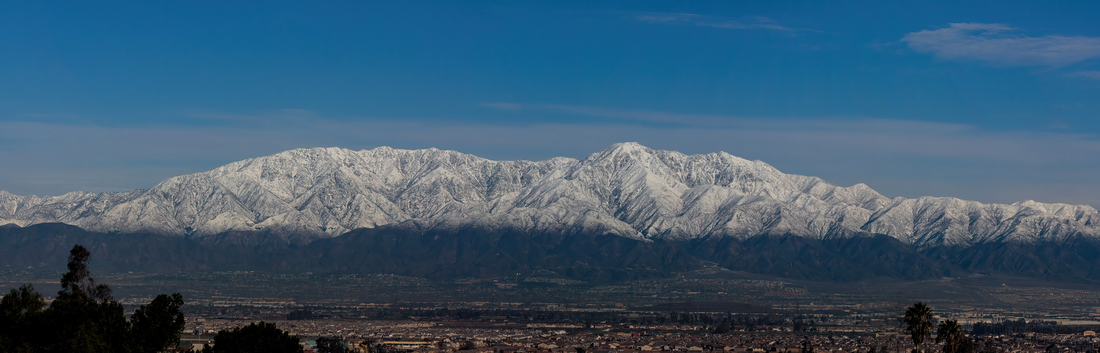
Heavy winter snows created a majestic view of the mountains north of San Bernardino, CA.
Picture
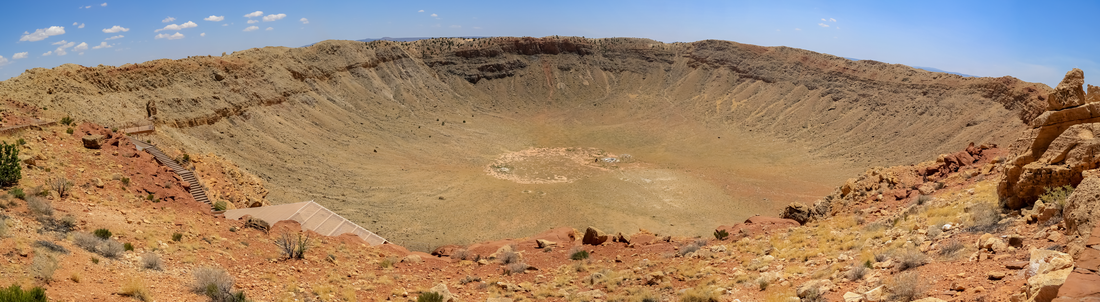
Meteor Crater is an impact crater about 37 miles east of Flagstaff and 18 miles west of Winslow in the desert of northern Arizona. The crater is 3,900 feet in diameter, 560 feet deep, and is surrounded by a rim that rises 148 feet above the surrounding plains. During the 1960s and 1970s, NASA astronauts trained in the crater to prepare for the Apollo missions to the Moon and ongoing field training for astronauts continues to this day. On August 8, 1964, two commercial pilots in a Cessna 150 flew low over the crater. After crossing the rim, they could not maintain level flight. The pilot attempted to circle in the crater to climb over the rim, however, during the attempted climb out, the aircraft stalled, crashed, and caught fire. The plane is commonly reported to have run out of fuel, but this is incorrect. Both occupants were severely injured, but survived. A small portion of the wreckage that was not removed from the crash site remains visible.
Picture
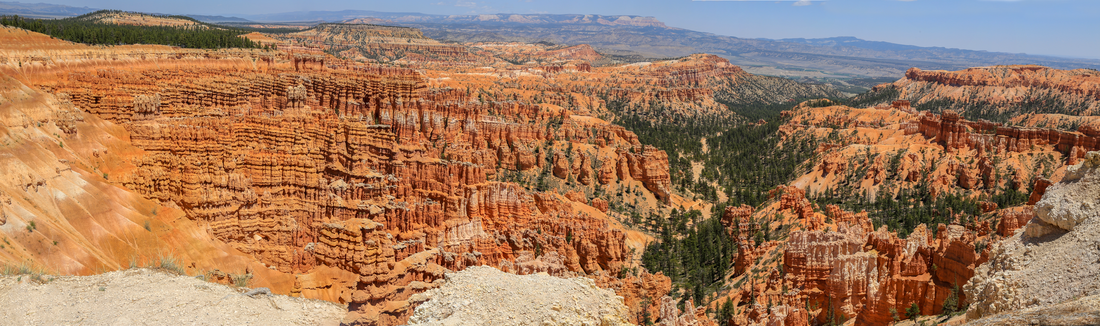
Bryce Canyon National Park is a national park of the United States located in southwestern Utah. Bryce is distinctive due to geological structures called hoodoos made of clastic rock that consists of eroded fragments of a previous rock. For instance, sandstone consists of sand grains, usually derived from a previously existing granitic source. When sand grains are deposited and cemented together it becomes a sandstone. These clastic pipes are sandstone, nearly identical with a deeply buried sandstone source. Evidently a tectonic event fluidized an unconsolidated sand deposit, and squeezed it up like toothpaste into piercements in the overlying rock. Once emplaced as a liner "dike," or in this case a vertical "pipe," it hardened into resistant rock. Eventually the surrounding, more easily erodable rock was washed away, leaving only a vertical pipe. The red, orange, and white colors of the rocks provide spectacular views for visitors to the park!
Picture
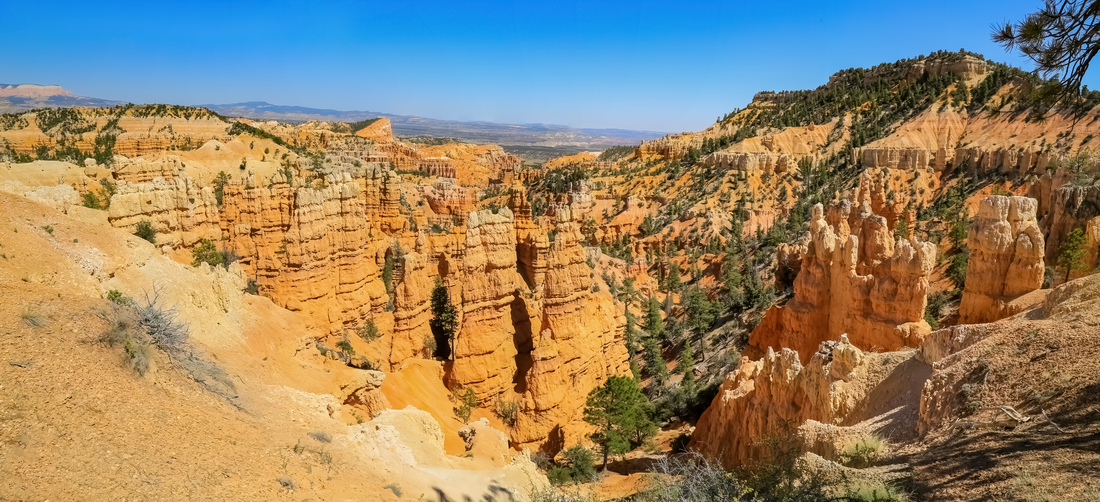
There are many spots along Bryce Canyon to park and overlook the amazing vistas along the way.
Picture
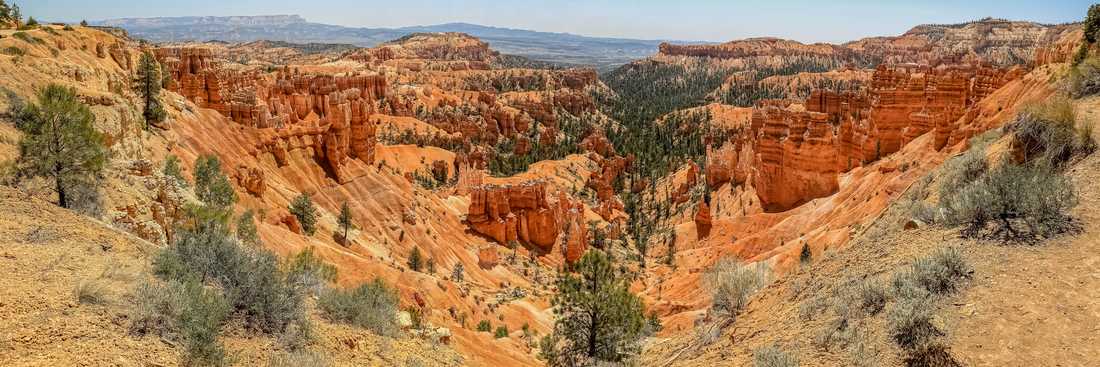
A series of amphitheaters extends more than 20 miles north-to-south within the park. Here is the largest, Bryce Amphitheater, which is 12 miles long, 3 miles wide, and 800 feet deep! What a magnificent sight this is to behold!